
The Feminine Guide to Dry Eye Relief: Hormones, Aging & The Power of Sea Buckthorn

July 23rd, 2026
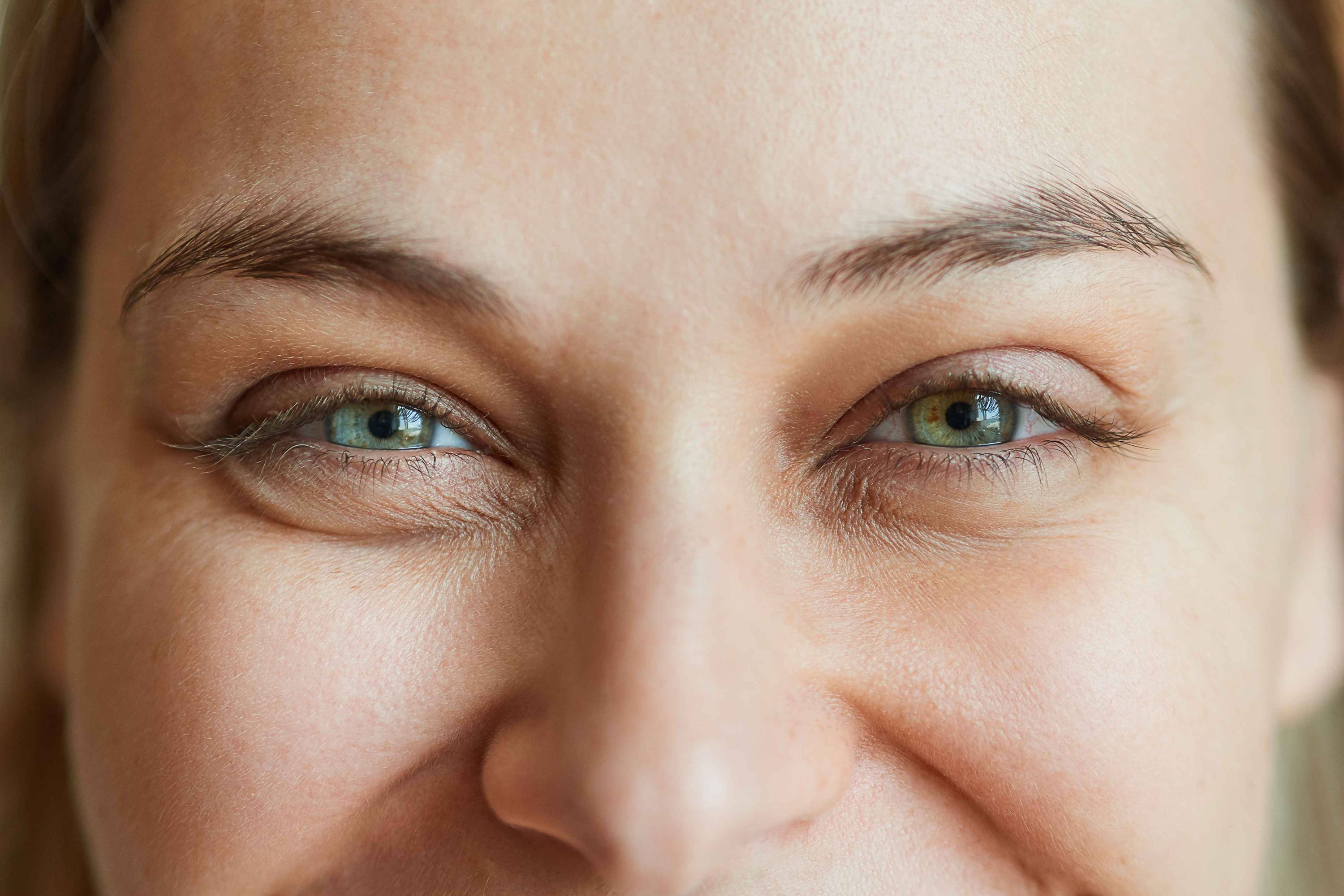
Dry Eyes? More Common than You Think


If your eyes are feeling dry, irritated, tired, or gritty lately, you’re far from alone. Millions of women experience symptoms of dry eyes; in fact, the prevalence of dry eye is significantly higher among women than it is among men. Supporting mucosal health and moisture is key to eye health in women, and omega-rich sea buckthorn is coming to the rescue. 


Dry Eyes: What Is It All About 


If you’ve ever found yourself rubbing or blinking your eyes just to relieve a bit of blurry vision, you’ve experienced the symptoms of dry eye. Dry eyes are uncomfortable and often feel like sandpaper is rubbing across your eyes every time you blink. For many women, this isn’t just an occasional annoyance, but a daily disruption of life. 


However, dry eyes are rarely “just” an eye problem. Eye moisture is connected to other things going on in the body, like hormones, inflammation, the health of mucosal tissues, and the long list of natural changes that happen in a woman’s body over time. 


There are natural tears that can provide some temporary relief, but they don’t address the underlying causes, including the hormonal and nutritional factors that make women more vulnerable. 


Here, we’re exploring why dry eye is so much more common in women, and how hormonal transitions, including menopause, can amplify the risk, and the natural, evidence-based ways to restore comfort and moisture. 


Of course, sea buckthorn, with its incredible ability to support mucosal health, is a big part of this, along with honoring and nourishing the body in other ways. 


Understanding Dry Eyes: What Exactly Is Going On?


The first step in learning how to effectively relieve dry eyes is to understand what’s going on, both on the surface and beneath. 


First, the eyes have a layer called a tear film. This is a very thin layer on the top of the eye that provides lubrication and acts as a protective barrier. The tear film has three distinct layers. 


  • Lipid Layer (Oil Layer): The lipid layer is the outermost layer, exposed to the most air and elements. It helps to keep the eyes moisturized by preventing tears from evaporating too quickly. 

  • Water Layer: The aqueous layer is the thickest, and it provides hydration and nourishment to the eye. 

  • Mucin Layer: Finally, the mucin layer, which is closest to the eye, has the important job of helping the tears spread evenly across the surface of the eye and adhere to the cornea to protect it. 


When any of these layers are challenged by an imbalance or otherwise compromised, the result is dryness, irritation, and inflammation. 


There are three main types of dry eye types. These include:


  • Evaporative Dry Eye: This is the most common type of dry eye in women, and is caused by tiny glands in the eyelids not producing enough protective oil. Without enough lipid lubrication, tears are more likely to evaporate too quickly. 

  • Aqueous Deficient Dry Eye: This condition occurs when the lacrimal glands don’t produce enough watery tears. 

  • Mixed Dry Eye: This is exactly what it sounds like. There is both a lack of oil in the lipid layer, combined with tear deficiency, leading to painful dry eyes. 


Symptoms of Dry Eyes: They’re Not Always What You Might Think


Some symptoms of dry eyes are obvious, like the unmistakable sensation of dryness. But dry eyes can cause a number of less obvious symptoms to manifest. 


  • Burning or stinging
  • Redness
  • Light Sensitivity
  • Blurred Vision
  • Gritty or Sandy Feeling
  • Excessive Tearing & Watery Eyes 
  • Difficulty Wearing Contact Lenses 
  • Eye Fatigue, Especially After Screen Use 


Dry eyes are more than just uncomfortable. They’re a sign that the delicate ecosystem protecting your eyes needs support. 

Why Dry Eye Is So Common In Women 


Women are about two to three times more likely to experience dry eyes than men. There are a few reasons for this, some of them environmental, but the others can be chalked up to pure biology. 

Environmental causes of dry eyes often involve the use of cosmetics and other personal care products that can irritate the mucosal tear film covering the eye. Any product that goes near the eye has the potential to irritate it, including cosmetics and hair products that may come in contact with the eye area. About 70% of contact lens wearers are also women, which can introduce irritating agents to the eye. 

Now, let’s get into the biology part of it. 

Hormones Directly Affect Tear Production 


Hormones. For women, it seems they affect every area of wellness, and this includes eye health. 

Hormones play a primary role in maintaining the health of the ocular surface, as well as the glands that are responsible for producing tears and lubricating oils. The hormones involved include both estrogen and androgens, which are both affected by feminine hormonal transitions, including menopause. 

Located along the margins of the eyelids are tiny meibomian glands, and it’s their job to produce the oily, lipid layer of the tear film. Androgens and estrogen levels can both affect meibomian function, although in different ways. 

Estrogen is especially interesting here because too much can cause lipid production to be suppressed, while too little contributes to inflammation and general meibomian instability. 

Hormones also affect tear quality and quantity. This is especially true during menopause,e when declining estrogen is associated with reduced tear volume and increased salt concentration in tear fluid, leading to chronic dry eye disease. 

Women Experience More Hormonal Transitions 


Compared to men, women experience a greater number of hormonal transitions than men, and they’re more extreme. A woman who has been pregnant and given birth will have gone through puberty, pregnancy, postpartum, and then perimenopause and menopause. 

Then, there are the shifts that come with hormonal birth control use, and the more drastic hormonal changes that occur with a hysterectomy or oophorectomy. 

Each of these shifts can affect eye health and dryness. 

Women Are More Prone to Autoimmune Conditions 


The fact that women are more prone to autoimmune conditions than men is medical knowledge that is not talked about nearly enough. According to Stanford Medicine, it’s estimated that 4 out of every 5 people with autoimmune diseases are women. 

The scales are heavily tipped, but what does this have to do with dry eyes?

Many autoimmune disorders, such as Sjogren's syndrome, rheumatoid arthritis, Crohn’s disease, and lupus, increase the likelihood of eye dryness. This is because many autoimmune conditions affect the body’s natural oil-producing glands due to increased inflammation. This includes the lacrimal glands that produce the watery layer of tears. 

The Menopause Connection: Dryness Affects the Eyes, Too


If you’re in your 40s, 50s, 60s, or beyond, you may notice new or worsening eye dryness, with menopausal changes being the primary culprit. 

It Starts with Estrogen: Estrogen helps to regulate the glands that produce moisture and tears. When estrogen drops, inflammation rises, tear product drops, and tears evaporate more quickly from the surface of the eye. 

Adrogens Play a Role, Too: Yes, women have androgens, and they are key to meibomian gland health. Lower androgen levels lead to a thinner lipid layer of the tear film, faster moisture evaporation, and increased irritation. 

Dryness From Head to Toe: Many women experience menopause-related dryness in multiple areas, including the eyes, mouth, skin, vaginal tissues, and sinuses. Sea buckthorn is wonderful for restoring moisture to delicate tissues beginning in perimenopause and beyond. 

Then, There Are Post Menopausal Issues: Women who have navigated the menopause transition are at a greater risk of thyroid issues, autoimmune dysfunction, increased oxidative stress and inflammation, as well as taking certain medications that can affect tear production and mucosal health. 

Dry eye is one of the most common, yet least discussed,d symptoms of menopause. Fortunately, it’s also one of the most treatable conditions with holistic, natural approaches. 

Lifestyle Factors That Can Make Dry Eye Worse 


Hormones are a big player in eye dryness in women, but they’re not the only culprit. Daily habits can also cause dry eyes or intensify existing symptoms. 

  • Digital Screens: When we stare at our screens, our blink rate plummets. This reduces moisture on the eye, and the extended air exposure causes tears to evaporate faster. 

  • Indoor Air: The ways we keep our homes comfortable can worsen dry eyes. Heating, air conditioning, and even fans dry out the air and your eyes. 

  • Contact Lenses: Those who wear contact lenses may experience a bit more irritation and also a disruption of the tear film that can increase tear evaporation. 

  • Medications: Certain medications can worsen dryness. These include antihistamines, certain hormonal treatments, and some antidepressants and blood pressure medications. 

  • Stress and Poor Sleep: When you’re stressed or your body is tired, it likes to compensate by increasing inflammation. This can reduce tear quality and quantity. 

When Dry Eyes Are Sending a Message 


Dry eyes are uncomfortable and inconvenient, but they usually aren’t a sign of something serious. However, there are a small number of health conditions that can affect the eyes, making them drier than usual. 

These types of health issues are usually systemic, with dry eyes not being an isolated symptom but rather one of a cluster of symptoms that point to something going on with the immune system. 

Immune disorders cause inflammation, often from head to toe, which affects the function of moisture-producing glands, including those that keep the eyes healthy and moisturized. Because of this, changes in tear production can sometimes reflect broader underlying inflammation. 

For women, understanding this connection is critical, especially since women have a significantly higher risk of developing autoimmune conditions. Sjogren’s syndrome, for example, is an autoimmune disease that presents with both dry eyes and dry mouth, affecting the ability of those glands to produce moisture. 

For women with autoimmune disease, sea buckthorn is a natural way to experience some relief. Because sea buckthorn reduces inflammation and supports mucosal healing (thanks to omega-7 and a rich load of antioxidants), it’s one of the most gentle ways a woman can support her health and soothe autoimmune-related discomforts. 

Supporting Feminine Eye Health Naturally 


Dry eye isn’t something that can truly be fixed through a single approach. Lubricating eye drops provide temporary relief, but they’re a quick fix, and the soothing effects eventually fade. There are so many different factors that influence tear production and eye moisture that real relief requires an approach that addresses all of them. 

This means considering everything from hormones and nutrition to the environment of your daily life. Relief is about treating a symptom but supporting the entire body so that the eyes maintain moisture.

Pharmaceutical interventions usually aren’t necessary unless there is an underlying condition that needs to be addressed. Eye health can be supported through daily habits, nourishment, and providing the eyes with a little much-needed TLC. 

Daily Habits & TLC to Support Tear Production


  • Take screen breaks following the 20-20-20 rule. Every 20 minutes, look away from your screen and focus your eyes at least 20 feet away for at least 20 seconds. 
  • Take breaks during the day to practice blinking exercises by blinking repeatedly for a minute. Also, try to be mindful of remembering to blink when using screens. 
  • Warm compresses are relaxing and help to release oils from the lubricating eye glands. Apply gently warm compresses to your eyes daily, especially when experiencing dryness. 
  • Remember to hydrate. Eye moisture depends on adequate water and electrolyte intake. 
  • Use a humidifier if your indoor environment is dry.

Nutrition for Eye Health 


  • Omega-3 fatty acids help to reduce inflammation and support the watery layer of the tear film. Omega-3 can be found in foods like fatty fish, chia seeds, flax seeds, and nuts.
  • Welcome omega-7 fatty acids into your life. Omega-7 is Mother Nature’s magical cure for mucosal support and hydration. Omega-7 is super rare, and one of the best sources is high-quality sea buckthorn, like that found in our Smooth As Silk+.
  • Load up on antioxidant-rich foods and supplements, especially vitamin C, vitamin E, and carotenoids. These help to protect delicate eye tissues from the effects of oxidative stress. 
  • Enjoy hydrating foods every day. Foods with a high water content, like cucumber, watermelon, citrus, berries, and leafy greens, help to keep the body hydrated. 
  • Avoid dietary triggers of inflammation. Excess sugar, alcohol, and processed foods can spike inflammation and worsen dryness. 

A Healthy Environment to Relieve Dry Eyes 


  • Switch to anti-glare screens. 
  • Wear protective eyewear when outdoors.
  • Avoid being in the direct airflow from fans, heaters, and AC units.
  • Improve air quality with air purifiers and plants.

Sea Buckthorn for Women: A Feminine Approach to Dry Eye Relief 


By the time most women have started searching for dry, red, and itchy eyes, they’ve probably had symptoms for a while and tried all of the usual fixes, like lubricating eye drops and maybe new reading glasses or lenses designed to filter blue light. 

But these remedies provide only surface-level relief. 

For many women, dryness isn’t confined to just the eyes. They may also be experiencing dry skin and mouth, along with intimate dryness. This is because dryness starts from the inside and it’s tied to hormones, inflammation, and the overall health of the mucous membranes that keep these parts of the body naturally lubricated. 

This is where sea buckthorn enters the stage, and it stands out in a way that feels like it’s almost tailor-made for women. 

Instead of providing just temporary relief, it supports the mucosal health on a deeper level. For many women, discovering sea buckthorn feels like finally finding a solution that is aligned with the female body and the dryness women experience across all different life stages. 

Unlike quick fixes, sea buckthorn’s benefits are healing, restorative, and build over time for true lasting relief and comfort. 

Why Sea Buckthorn Is Uniquely Suited For Women’s Health and Relieving Dryness 

Sea buckthorn is one of the richest natural sources of omega-7 fatty acids in the world. If you’re not familiar with omega-7, it’s a rare fatty acid that nourishes and hydrates mucous membranes from head to toe. 

For women, this means whole-body, feminine support that includes:

  • Eye moisture
  • Vaginal moisture
  • Skin hydration and health
  • Oral moisture 
  • Sinus moisture 

Sea buckthorn also offers benefits that go beyond omega-3. Sea buckthorn is loaded with vitamins A, C, and E, along with carotenoids, flavonoids, and a grand total of more than 190 bioactive compounds. 

All of these nutrients work in perfect alignment to support many areas of women’s health, including vision. 

How to Choose High Quality Sea Buckthorn Supplements 


When it comes to protecting your eye health, comfort, and vision, exceptional quality is non-negotiable. While there are a growing number of sea buckthorn supplements on the market, it’s important to know how to identify quality and choose the best supplement for your needs. 

Not to brag (alright, maybe a little), but there are several ways that the sea buckthorn we use in our Smooth As Silk+ stands out far ahead of the rest. 

  • High Omega-7 Concentration: One of the hallmarks of exceptional sea buckthorn is its omega-7 concentration. The sea buckthorn oil used in Smooth As Silk+ is more than 40% omega-7 fatty acids. This is compared to less than 5% of those who claim to be our competitors. 
  • Sustainability: Femininity is committed to growing and harvesting our sea buckthorn berries sustainably. Our berries are wild-grown in the Himalaya Mountains, and harvested in a way that supports the natural ecosystem and soil quality, preserving it for future generations. 
  • Harvest & Extraction Quality: The sea buckthorn berries in our Smooth As Silk+ are harvested at the very peak of their nutritional quality, and processed using a supercritical CO2 extraction method. This preserves the nutrient density and integrity of each berry, which is passed along to you in our supplement. 

Women Deserve Comfortable, Hydrated Eyes & Smooth As Silk+ Delivers 


Dry eyes are a common health complaint in women, but this doesn’t mean you need to sign up for a lifetime subscription to lubricating eyedrops. Sea buckthorn, found in Smooth As Silk+, can help restore moisture, relieve dryness, and help you remember what comfortable eyes feel like. 

Sea buckthorn naturally supports the mucous membranes women rely on for comfort. Smooth As Silk+, combined with daily habits, nutrition, and a mindful environment, is your ally in supporting feminine health and finally achieving the lasting relief of dry eyes you deserve.