Sea Buckthorn For Vaginal Wetness
June 17th, 2026
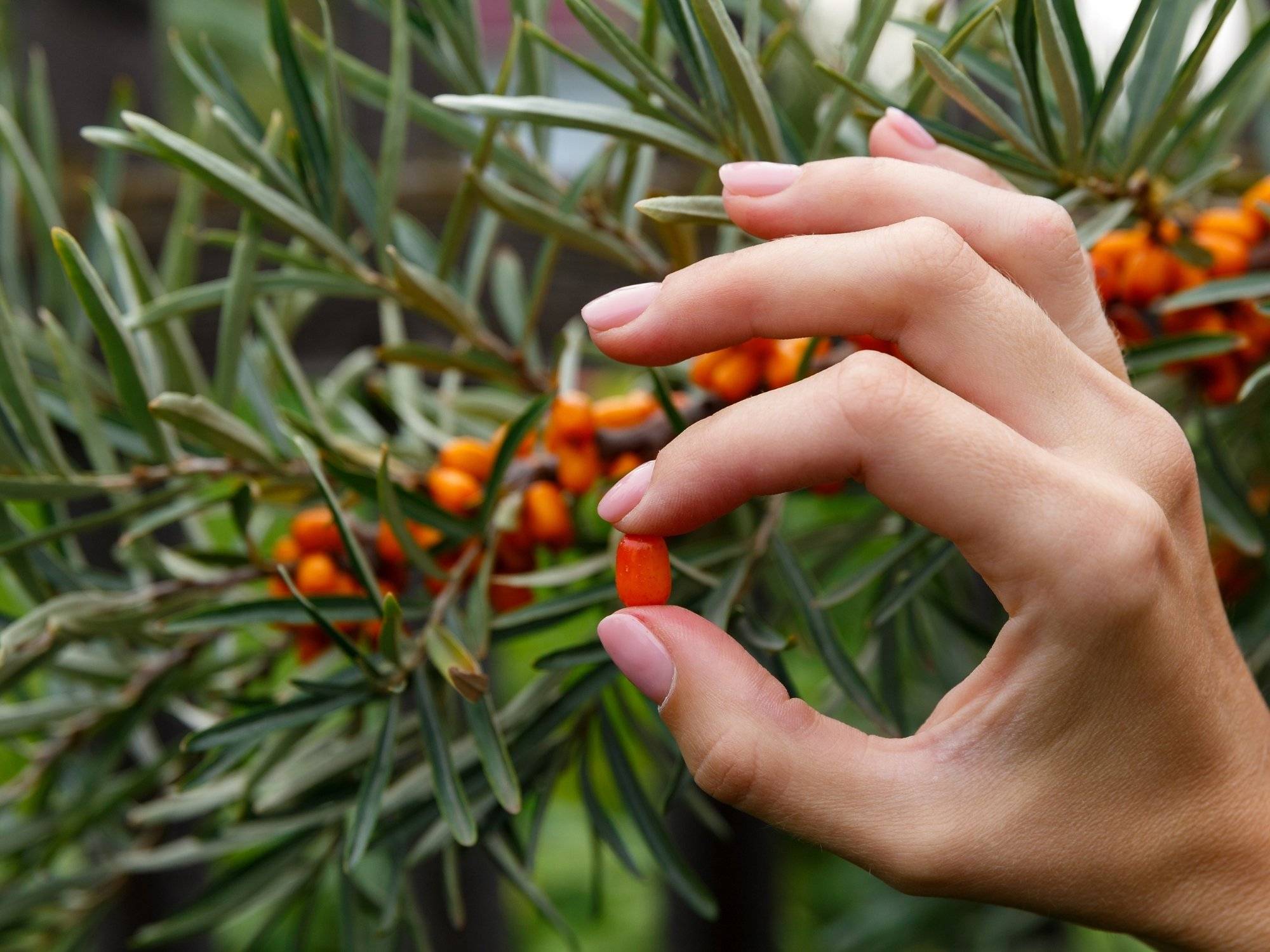
Sea buckthorn oil from the Sea buckthorn berry grown high in the Himalayas is packed with Omega-7 which has been shown to increase vaginal wetness and overall mucous membrane health.
Sea Buckthorn For Vaginal Wetness: A Natural Way To Feel Like Yourself Again
If you’ve noticed sex feels more uncomfortable, irritation shows up out of nowhere, or you just “don’t feel like yourself” anymore, you are far from alone. Vaginal dryness is common through perimenopause, menopause, postpartum, and even in times of intense stress—but that doesn’t make it any less frustrating or isolating.
Instead of masking symptoms with short‑term fixes, more women are turning to a small, bright orange berry grown high in the Himalayas: sea buckthorn. This nutrient‑dense berry is one of the richest natural sources of Omega‑7, a rare fatty acid that supports mucous membranes—including the delicate tissues of the vaginal wall—at the cellular level.
What Is Sea Buckthorn?
Sea buckthorn (Hippophae rhamnoides) is a hardy shrub that grows in some of the most extreme climates on earth, including high in the Himalayan mountains where the soil is rocky, the air is thin, and the plants have to fight to survive. Its golden‑orange berries have been used for centuries in traditional systems of medicine to support skin, digestion, and intimate health.
What makes sea buckthorn stand out today is its unusually rich profile of fatty acids and antioxidants. The pulp and seeds of the berry contain a rare combination of Omega‑3, 6, 7, and 9, plus plant sterols and carotenoids that help nourish and protect tissues throughout the body. When carefully cold‑pressed and standardized, sea buckthorn oil becomes a potent ally for dry, fragile mucous membranes—including vaginal tissues.
Why Vaginal Dryness Happens
Vaginal dryness is almost always a sign that the mucous membranes of the vagina are not getting the support they need. Several factors can contribute to this shift:
- Declining estrogen during perimenopause and menopause
- Postpartum hormone changes and breastfeeding
- Certain medications, including some antidepressants and antihistamines
- Stress and sleep disruption
- Autoimmune conditions or chronic inflammation
As estrogen levels fall, the vaginal lining becomes thinner, less elastic, and less able to hold moisture. This can lead to micro‑tears, burning, itching, discomfort with daily movement, and pain with intercourse.
Topical lubricants can provide temporary relief, but they don’t rebuild the health of the tissue itself. That’s where internal support—like Omega‑7‑rich sea buckthorn—comes in.
Omega‑7: The Moisture‑Loving Fatty Acid
Most of us have heard of Omega‑3 and Omega‑6 fats. Omega‑7, however, is much less common—and that’s part of what makes sea buckthorn so unique. Sea buckthorn berries are one of the very few natural, concentrated sources of this rare fat.
Omega‑7 (palmitoleic acid) is a key component of the cells that line your mucous membranes—the thin, moist tissues that protect your eyes, mouth, gut, and urogenital tract. When those cells are well‑nourished, they can hold on to moisture, regenerate efficiently, and maintain a strong protective barrier.
For intimate health, that means:
- Better moisture and lubrication
- Support for elasticity and comfort
- Less irritation and micro‑tearing
- A healthier, more resilient vaginal lining
How Sea Buckthorn Supports Vaginal Wetness
- Rebuilding the mucosal lining. Omega‑7 helps restore the structure of mucous membranes, including the vaginal epithelium, which can become thin and fragile with age or hormonal shifts.
- Improving moisture retention. By nourishing the lipid layer of cell membranes, Omega‑7 helps those cells hold onto water, naturally enhancing lubrication and hydration.
- Supporting tissue elasticity. When the vaginal lining is better hydrated and structurally supported, it tends to feel more supple and resilient, instead of tight or “papery.”
- Calming irritation. Sea buckthorn’s antioxidant and anti‑inflammatory compounds help soothe redness and discomfort associated with dryness.
What The Research Says About Sea Buckthorn And Vaginal Dryness
- A randomized, placebo‑controlled trial in postmenopausal women found that daily sea buckthorn oil improved the integrity of the vaginal epithelium compared to placebo, leading researchers to conclude that it may be a useful non‑hormonal option for supporting vaginal mucosal health.
- Additional research in women with vaginal atrophy and intimate dryness suggests that sea buckthorn oil can improve vaginal hydration, elasticity, and overall vaginal health scores, particularly in cases of mild to moderate symptoms.
- Reviews on non‑hormonal approaches to dryness often mention sea buckthorn oil as a promising natural supplement that may support lubrication and comfort, alongside ingredients like vitamin D and hyaluronic acid.
Why Himalayan Sea Buckthorn Matters
- Wild or wild‑crafted berries grown in extreme climates
- Gentle extraction designed to preserve Omega‑7
- Independent lab testing to verify high Omega‑7 content in each batch
Sea Buckthorn, Mucous Membranes, And Whole‑Body Moisture
- Support tear production and ease dry eyes
- Soothe dry mouth and throat
- Protect the gastrointestinal lining
- Improve comfort in the urogenital tract, including vaginal tissues
How Long Does Sea Buckthorn Take To Work?
- Some women notice subtle improvements in comfort and moisture within a few weeks.
- Most of the more meaningful changes in elasticity, resilience, and overall vaginal health tend to show up over 8–12 weeks of consistent daily use.
- Less burning or itching during the day
- More natural wetness during arousal
- Less pain or friction with intercourse
- A general sense of “plumpness” instead of thinning and fragility
- For women, that often looks like:
Sea Buckthorn vs. Lubricants And Hormonal Treatments
- Compared to lubricants: Lubes are applied right before sex and offer temporary slip but don’t rebuild tissue or change your baseline moisture. Sea buckthorn works internally to support the structure and function of the vaginal lining so your natural lubrication has a chance to come back.
- Compared to hormonal treatments: Local vaginal estrogen is still considered the most potent option for severe vaginal atrophy. Research suggests sea buckthorn is better suited for women with mild to moderate dryness or those who can’t or don’t want to use hormones.
Choosing A High‑Quality Sea Buckthorn Supplement
- Wild or high‑altitude sourcing. Berries grown in demanding environments like the Himalayas tend to have higher Omega‑7 content.
- Pulp and seed oil blend.Using both parts of the berry maximizes the spectrum of lipids and antioxidants.
- Standardized Omega‑7 levels. Look for specific claims that Omega‑7 content is tested and verified, not just “contains sea buckthorn.”
- Third‑party testing.Independently lab‑tested products can back up their purity and potency claims, which is important for both safety and E‑E‑A‑T.
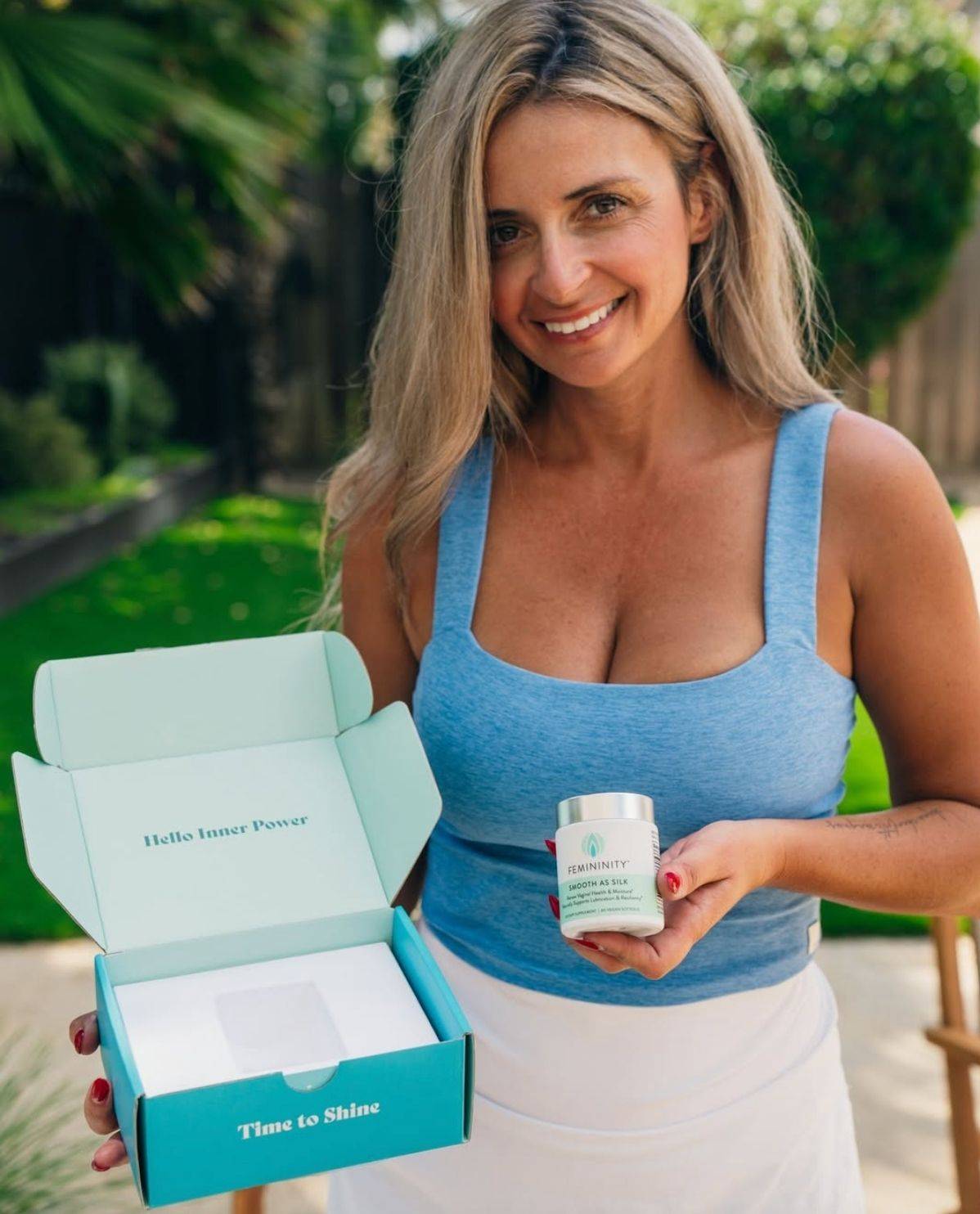
- Thoughtful formulation.Some products, like Femininity’s Smooth as Silk, combine Himalayan sea buckthorn with complementary nutrients such as vitamin D3 and Omega‑3 DHA to further support tissue health, immune function, and whole‑body wellness.