
Menopause Relief That Works: Natural, Gentle Approaches with Sea Buckthorn Omega-7
Jan. 9th, 2026

A Natural Approach to Treating Menopause
Menopause is a time in a woman’s life that’s defined by transition. It’s more than just hot flashes and no more periods – it’s a complete hormonal shift that can affect practically every area of your life and health.
However, menopause doesn’t have to feel like you’re finding your way in the dark. There are a lot of natural approaches to navigating menopause. With the right lifestyle habits, nutrition, and added support from supplements like Smooth as Silk+ with sea buckthorn, you can ease symptoms and reclaim your vitality.
Let’s take a look at how nutrition, movement, and holistic wellness with sea buckthorn and omega-7 can make all the difference in your menopause experience.
Menopause: A Woman’s Full Body Reset
Most women view menopause as the end of menstruation, which comes with some well-known side effects – hot flashes, mood swings, fatigue, and vaginal changes.
But, for many women, it doesn’t stop there.
Depending on who you ask, the number of symptoms of menopause can range anywhere from about thirty to over a hundred. These include:
- Vasomotor Symptoms: Hot flashes, night sweats, chills
- Menstrual Changes: Irregular periods, cessation of periods
- Sexual Wellness Symptoms: Decreased libido, vaginal dryness, vaginal atrophy, painful intercourse
- Urogenital Symptoms: Recurrent UTIs, urinary urgency/frequency, urinary incontinence when sneezing or coughing
- Cognitive & Emotional Symptoms: Mood swings, irritability, anxiety, depression, brain fog, memory lapses, fatigue, sleep disturbances
- Musculoskeletal & Physical Symptoms: Joint pain, muscle aches, muscle tension, loss of grip strength, osteoporosis, slowed metabolism, changes in weight, frozen shoulder
- Hair, Skin, & Nail Changes: Dry skin, loss of skin elasticity, more noticeable fine lines and wrinkles, changes in skin texture, pigmentation changes, acne, itchiness, thinning hair, changes in hair texture, increased facial hair, brittle nails
- Cardiovascular & Circulatory Symptoms: Palpitations, dizziness, changes in blood pressure, increased risk of cardiovascular disease
- Digestive & Metabolic Symptoms: Bloating, indigestion, changes in taste, burning mouth, gas, constipation, diarrhea, nausea, changes in gut microbiome
- Sensory & Neurological Symptoms: Headaches, electric shock sensations, tingling in extremities, ringing in ears
- Other Random Symptoms: Breast tenderness, breast changes, changes in body odor, dry eyes, oral health issues, allergies
The main culprit behind all of these symptoms is a decline in hormones, primarily estrogen, but progesterone and testosterone also factor in.
The shift in hormones affects everything from collagen production, skin, and mucous membrane hydration to how neurotransmitters function.
For many women, the menopause transition feels overwhelming – like their bodies aren’t theirs anymore, and they might even feel a sense of betrayal as their bodies change.
Menopause causes a ripple effect of symptoms, but these don’t have to feel like hopeless losses of the life and body you once had. With a holistic approach, menopause can be the full-body reset that many women need to prioritize their own self-care and discover a new sense of wellbeing and renewal.
Menopause is the body’s way of saying it’s time to pause, reset, and become stronger, healthier, and more resilient through the process.
Lifestyle shifts, self-care, and leaning into natural support from sea buckthorn and omega-7 can help prepare your body for this next exciting chapter of life.
Sea Buckthorn and Omega-7 for Menopause Support
There are several options for managing the symptoms of menopause, and they generally fall into one of two categories – hormone replacement therapy and …everything else.
When the conversation of menopause treatment and support comes up, it almost always centers on hormonal therapies, but not every woman wants to go that route, and some simply can’t.
This leaves women searching for alternative approaches to menopause management, and when it comes to easing the challenges that come with menopause, there are few natural approaches that are as powerful as sea buckthorn.
Sea buckthorn is a gorgeous, vibrant orange berry that has had a place in traditional medicine across Asia and Europe for centuries. Within a single sea buckthorn berry is the ability to nourish, heal, and restore the body before, during, and after the menopause transition.
There is a lot of good stuff packed into sea buckthorn, but what really makes it stand out is its exceptionally high concentration of omega-7 fatty acid.
You’ve likely heard of omega fatty acids before, especially omega-3 and maybe also omega-6. Omega-7 is rarer, with only a small handful of natural sources available.
Of these, sea buckthorn is the most potent in omega-7 fatty acids, which perform many important functions for women who are managing menopause.
This includes restoring and repairing the health of mucous membranes and skin, along with supporting cardiovascular health and overall wellness.
Here are a few of the ways in which sea buckthorn with omega-7 can provide support during menopause and beyond:
- Vaginal dryness & discomfort: Restores hydration to mucosal linings, improves elasticity, and reduces intimate irritation
- Hot flashes & night sweats: Sea buckthorn contains plant compounds that may help with hormonal regulation and stress relief, both of which may help lessen the frequency and severity of hot flashes
- Mood swings & anxiety: Sea buckthorn nourishes and protects cell membranes, which can lead to improved neurotransmitter function – something that is important for emotional stability
- Skin dryness & loss of elasticity: Hydrates the skin from within, and also boosts collagen production for improved elasticity
- Weight gain & metabolism: Supports healthy lipid metabolism and digestive balance
- Joint pain & stiffness: Contains anti-inflammatory properties to reduce inflammation and associated discomfort
- Dry eyes & mouth: Just when you think you know every menopause symptom under the sun, along comes the dry eyes and mouth. Sea buckthorn supports the hydration of these mucous membranes to provide relief and comfort
- Cardiovascular changes: A woman’s risk of cardiovascular disease increases after menopause. Sea buckthorn promotes healthy circulation and supports heart health during these hormonal shifts.
Femininity Smooth As Silk+: A Targeted Menopause Solution
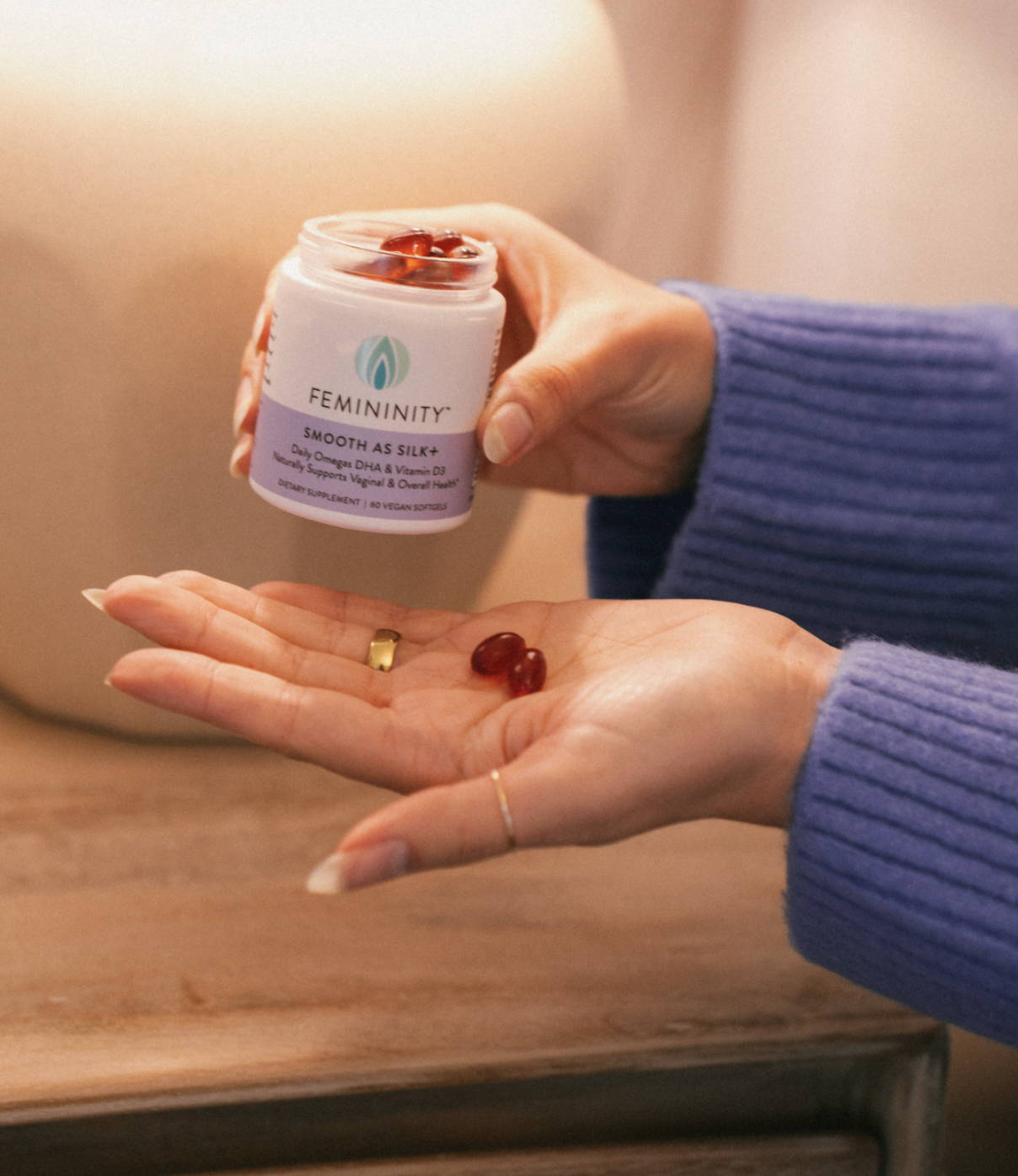
Natural, Gentle Solutions to Menopause Relief That Work
Eating Right for Menopause: Nutrition to Ease Symptoms
Eating Right for Menopause: Nutrition to Ease Symptoms
- Prioritize Omega Fatty Acids: Choose foods that are rich in a range of omega fatty acids. Foods that contain omega-3 fatty acids, like walnuts, salmon, chia seeds, and flaxseeds, are incredible for fighting the inflammation that begins to creep in during menopause.
They’re also protective of brain health and mood stabilization. Omega-7 from sea buckthorn is one of the best nutrients you can consume for mucosal health, and yes, a healthy vagina and intimate satisfaction during menopause. - Balance Blood Sugar: Changes in hormones can contribute to an increased risk of developing type II diabetes during menopause.
The best way to combat this is by choosing foods that not only prevent blood sugar spikes but also help to keep your energy stabilized throughout the day.
This means kicking out the processed foods and added sugars, and replacing them with whole foods, like fruits, vegetables, lean protein, and complex carbs. - Protein Isn’t Just a Fad: Protein pushers seem to be everywhere. There are keto, low-carb, and carnivore diets that focus on high amounts of protein.
The shelves in stores are lined with protein powders, protein bars, protein coffee, and even protein water. Is it all really necessary? If you’re a woman in or nearing menopause, the answer is “yes”.
While you don’t necessarily need to blow the budget on powders and protein supplements, it is something that should be prioritized in your diet. Protein is essential for maintaining muscle mass, which begins to decline during menopause. It’s also important for bone health, brain health, and weight management.
Talk to your doctor about the optimal daily protein intake for your body, but most will suggest about 1 gram per kilogram of ideal body weight. - Support Estrogen Naturally with Plant-Based Foods: As natural estrogen begins to decline, certain plant-based foods that contain phytoestrogens can gently mimic the effects of estrogen in the body and relieve menopause symptoms.
Foods like soy, flaxseeds, and lentils are great examples of foods that can help balance estrogen – and this includes reducing levels of “bad” estrogen, while increasing “good” estrogen.
Cruciferous vegetables, like broccoli and kale, are also great for helping to detox excess hormones. - Improve Gut Health with Food: Your gut health is connected to just about every other area of your health and wellness. The more you can do to protect and improve gut health, the better you’ll look and feel.
Choose fermented food like yogurt, sauerkraut, and kimchi to add good bacteria to your gut microbiome, and then eat lots of prebiotics like onion, garlic, and asparagus to provide fuel for those good bacteria.
- Hydrate, Then Hydrate Some More: Going through menopause can leave you feeling like your entire body is a parched desert. Your mouth, eyes, skin, and intimate areas feel constantly dry and irritated, no matter how much lotion, lubricant, or eye drops you use.
First, omega-7 does an exceptional job of replenishing and maintaining hydration. Second, drink water consistently throughout the day. Boost the hydration power by adding electrolytes to your water.
You’ve probably heard of the standard rule of eight 8-ounce glasses of water per day. This is a good starting point, but everyone is different, and you might need more than this during menopause, especially if you’re physically active.
Exercise for Balance and Energy
- Strength Training: To build lean muscle mass and increase bone density. Try lifting weights, doing bodyweight exercises, or working with resistance bands.
- Cardio: While there’s some changing thoughts on how much cardio women need during menopause, it still remains important for heart health and circulation. Plus, a good cardio session can reduce anxiety and may even tone down those hot flashes. Try going for a brisk walk, cycling, or swimming to get in your cardio work.
- Yoga & Stretching: As menopause inflammation begins to set in, joints and muscles can become stiff and tense. Flexibility is key to physical fitness, as well as reducing the risk of falls and injury. Exercises like yoga, pilates, and stretching are ideal for improving flexibility, reducing muscle tension, and supporting good sleep habits.
- Pelvic Floor Exercises: It’s the part of menopause that nobody likes to talk about. Estrogen declines, and suddenly you’re dealing with issues like bladder incontinence and an increased risk of pelvic prolapse. Adding pelvic floor work to your fitness routine can help improve bladder control, keep pelvic muscles strong, and even increase the number and intensity of orgasms.
Lifestyle Habits for Menopause Relief
- Sleep Hygiene: It’s a rare woman who maintains great sleep habits throughout menopause. The shift in hormones creates a wild ride of nighttime hot flashes, night sweats, leg cramps, crazy dreams, and insomnia.
Regularly supplementing with sea buckthorn can help support healthy sleep habits. Along with this, practice good sleep hygiene habits, like sticking to a regular bedtime, indulging yourself with a calming bedtime routine, avoiding screens before bed, and taking steps to ensure your bed and room are cool and comfortable. - Stress Management: Hormones are shifting, your mood is all over the place, and you just don’t feel like yourself. This is a recipe for stress that can take a toll on your mental health.
While completely erasing stress might be an unrealistic goal, practicing mindfulness or meditation, scheduling quiet time throughout the day, journaling, meeting with supportive friends, and considering adaptogenic herbs like ashwagandha can all be helpful.
If you’re struggling with your mental health during menopause, don’t hesitate to talk to your doctor or reach out directly to a mental health professional. - Skin & Body Care: Skincare becomes even more important during menopause. This is the time to completely pamper yourself by using omega-rich moisturizers (like those containing sea buckthorn oil), taking supplements with omega-7 to support skin health, protecting your skin from the sun, and scheduling an annual checkup with a dermatologist.
- Sexual Wellness: Vaginal dryness, irritation, and atrophy can put a damper on your sex life. Combine this with a hormonally-influenced drop in libido, and you may find that the sex life you once loved has gone MIA. It doesn’t have to be this way.
It’s entirely possible to navigate menopause, and not only enjoy a healthy sex life, but even discover it can be better than it ever was before.
Smooth As Silk+ supports mucosal health and returns moisture to intimate areas that feel parched. Trust us when we say that natural lubrication can return. There are also vaginal moisturizers and lubricants that can help, along with pelvic floor therapy and counseling to address the emotional aspects of the menopause experience.